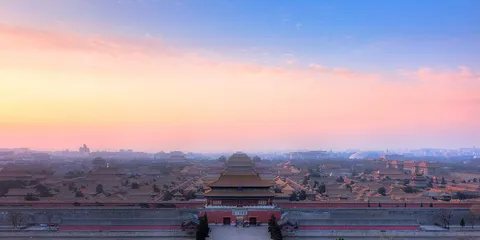
China has 60 UNESCO World Heritage Sites (as of July 2025) — among the most of any country on Earth. They break down into 41 cultural, 15 natural and 4 mixed (both cultural and natural) sites, and together they tell the whole story of the country: imperial palaces, sacred mountains, ancient towns, grotto art, panda forests and otherworldly landscapes.
You can’t see them all in one trip — and you wouldn’t want to. Some are world-famous and on nearly every itinerary; others are remote, niche or mainly of interest to specialists. So below is the full list with a popularity rating to help you prioritise.
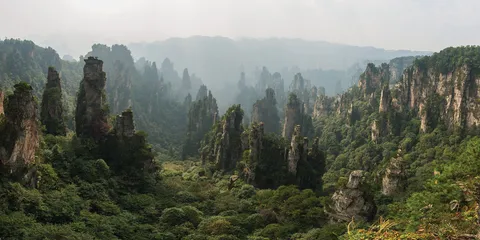
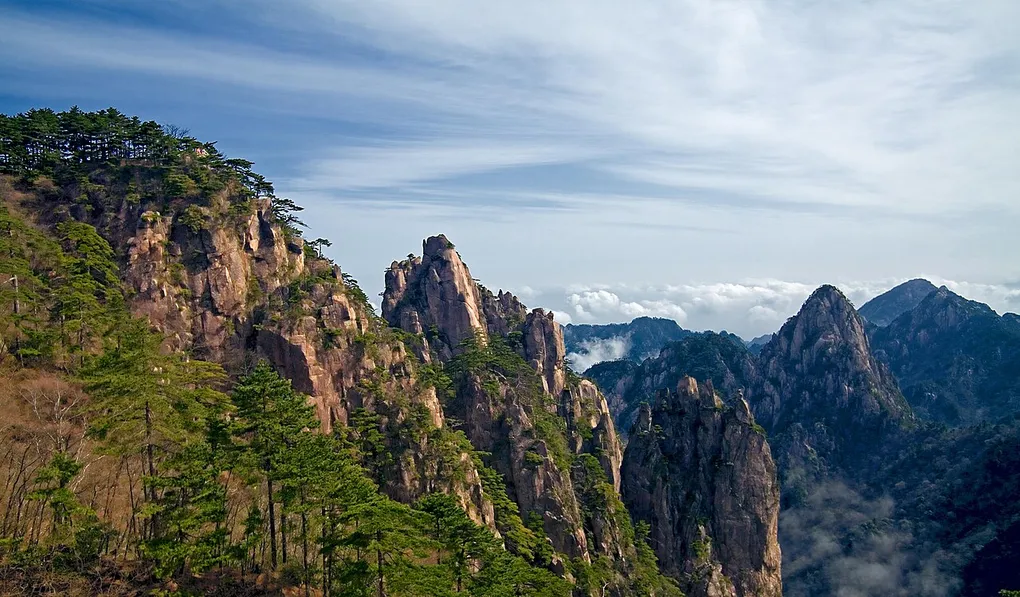
Mount Huangshan (Anhui) — a “mixed” site prized for both its scenery and its cultural legacy.
How to read the ratings
| Rating | Meaning |
|---|---|
| ⭐⭐⭐ | Must-see — world-famous, on most first-timer itineraries |
| ⭐⭐ | Worth a detour — popular and rewarding if it’s near your route |
| ⭐ | For enthusiasts — remote or special-interest; for the curious and the completists |
(Ratings reflect tourist popularity and ease of visiting, not the site’s importance — every one of these is extraordinary. They’re a rough guide to help you plan.)
⭐⭐⭐ The must-sees
| Site | Category | Province |
|---|---|---|
| The Great Wall | Cultural | Beijing / Hebei / Gansu |
| Imperial Palaces (Forbidden City & Shenyang) | Cultural | Beijing / Liaoning |
| Mausoleum of the First Qin Emperor (Terracotta Army) | Cultural | Shaanxi |
| Mogao Caves (Dunhuang) | Cultural | Gansu |
| Mount Huangshan | Mixed | Anhui |
| Jiuzhaigou Valley | Natural | Sichuan |
| Wulingyuan (Zhangjiajie) | Natural | Hunan |
| Sichuan Giant Panda Sanctuaries | Natural | Sichuan |
| Mount Emei & Leshan Giant Buddha | Mixed | Sichuan |
| Old Town of Lijiang | Cultural | Yunnan |
| Classical Gardens of Suzhou | Cultural | Jiangsu |
| Summer Palace, Beijing | Cultural | Beijing |
| Temple of Heaven, Beijing | Cultural | Beijing |
| West Lake, Hangzhou | Cultural | Zhejiang |
| Potala Palace, Lhasa | Cultural | Tibet |
| Mount Taishan | Mixed | Shandong |
| South China Karst (incl. Guilin) | Natural | Yunnan / Guizhou / Chongqing / Guangxi |
| Historic Centre of Macao | Cultural | Macau |
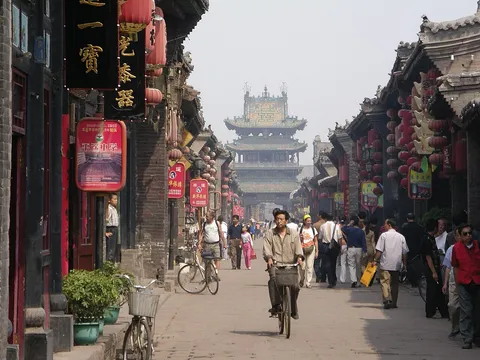
| Ancient City of Pingyao | Cultural | Shanxi |
| Kulangsu (Gulangyu), Xiamen | Cultural | Fujian |
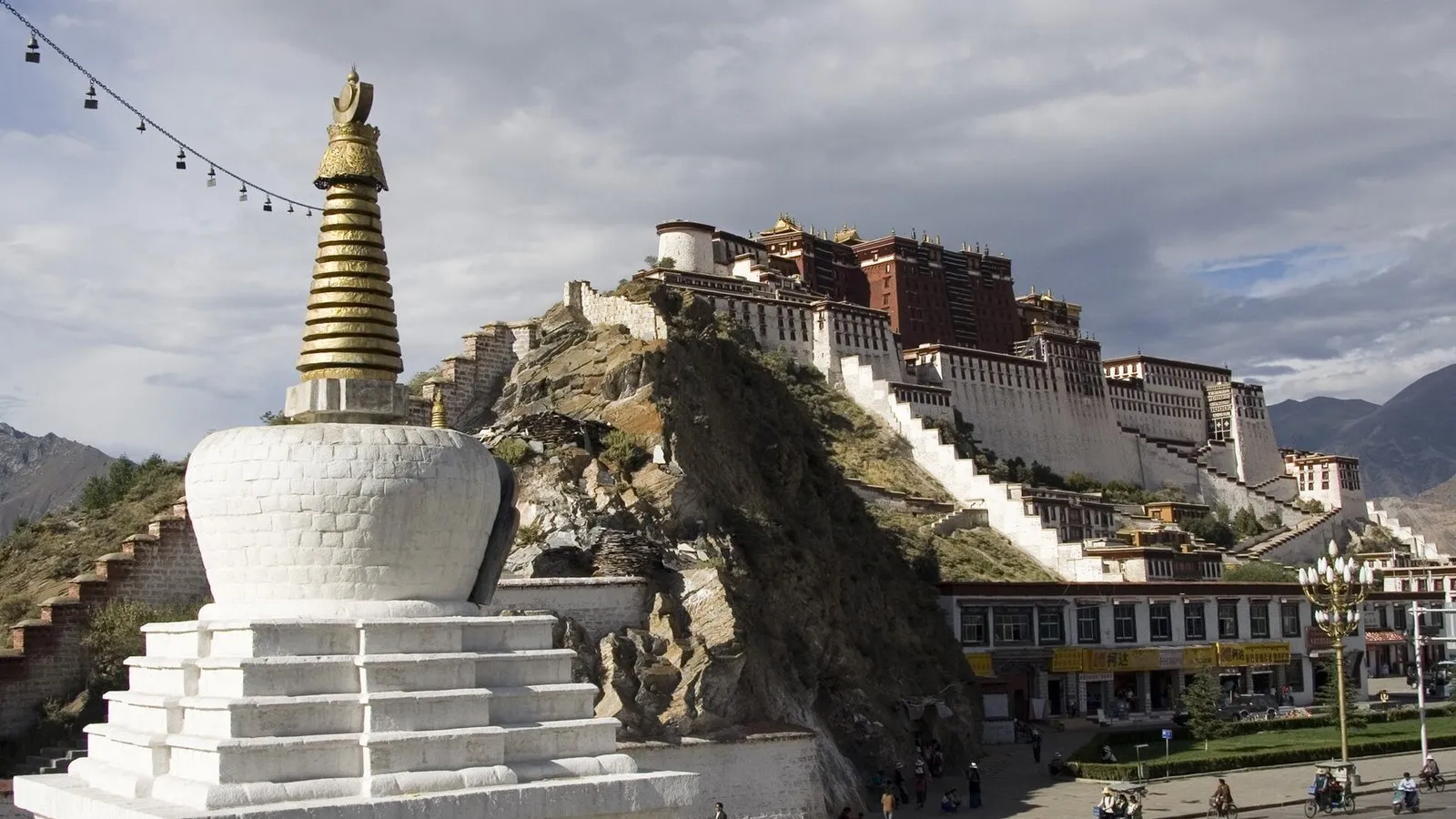 The Potala Palace in Lhasa, Tibet — a cultural World Heritage Site since 1994.
⭐⭐ Worth a detour
| Site | Category | Province |
|---|---|---|
| Ancient Villages: Xidi & Hongcun | Cultural | Anhui |
| Longmen Grottoes | Cultural | Henan |
| Yungang Grottoes | Cultural | Shanxi |
| Mount Qingcheng & Dujiangyan | Cultural | Sichuan |
| Honghe Hani Rice Terraces | Cultural | Yunnan |
| The Grand Canal | Cultural | Multiple (Beijing → Zhejiang) |
| Beijing Central Axis | Cultural | Beijing |
| Mountain Resort, Chengde | Cultural | Hebei |
| Temple & Cemetery of Confucius, Qufu | Cultural | Shandong |
| Wudang Mountains | Cultural | Hubei |
| Mount Wuyi | Mixed | Fujian |
| Dazu Rock Carvings | Cultural | Chongqing |
| Fujian Tulou | Cultural | Fujian |
| Mount Wutai | Cultural | Shanxi |
| Mount Sanqingshan | Natural | Jiangxi |
| Huanglong Scenic Area | Natural | Sichuan |
| Lushan National Park | Cultural | Jiangxi |
| Three Parallel Rivers of Yunnan | Natural | Yunnan |
| Historic Monuments of Dengfeng (Shaolin) | Cultural | Henan |
| China Danxia | Natural | Multiple (6 provinces) |
| Xinjiang Tianshan | Natural | Xinjiang |
| Imperial Tombs of the Ming & Qing | Cultural | Beijing / Liaoning / Jiangsu |
| Kaiping Diaolou & Villages | Cultural | Guangdong |
| Fanjingshan | Natural | Guizhou |
| Shennongjia | Natural | Hubei |
| Quanzhou: Emporium of the Song-Yuan | Cultural | Fujian |
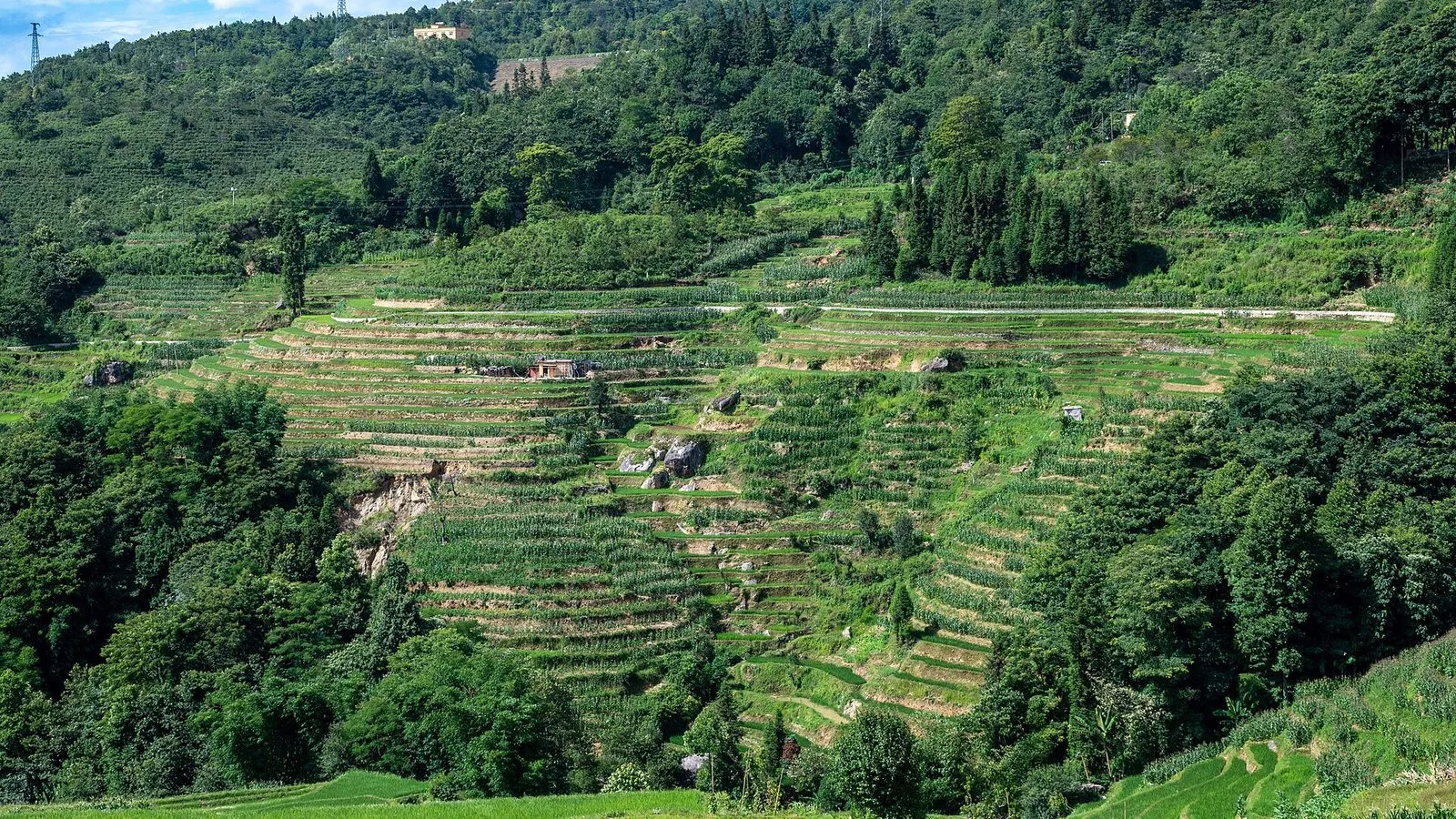 The Honghe Hani Rice Terraces in Yunnan — centuries-old terraces carved into the hillsides, inscribed in 2013.
⭐ For enthusiasts
| Site | Category | Province |
|---|---|---|
| Peking Man Site at Zhoukoudian | Cultural | Beijing |
| Koguryo Kingdom Sites | Cultural | Jilin |
| Yinxu (Ruins of Yin) | Cultural | Henan |
| Silk Roads: Chang’an–Tianshan Corridor | Cultural | Multiple (transnational) |
| Site of Xanadu | Cultural | Inner Mongolia |
| Tusi Sites | Cultural | Hunan / Hubei / Guizhou |
| Zuojiang Huashan Rock Art | Cultural | Guangxi |
| Hoh Xil | Natural | Qinghai |
| Chengjiang Fossil Site | Natural | Yunnan |
| Archaeological Ruins of Liangzhu City | Cultural | Zhejiang |
| Migratory Bird Sanctuaries (Yellow Sea) | Natural | Multiple (5 provinces) |
| Jingmai Mountain Tea Forests | Cultural | Yunnan |
| Badain Jaran Desert | Natural | Inner Mongolia |
| Xixia Imperial Tombs | Cultural | Ningxia |
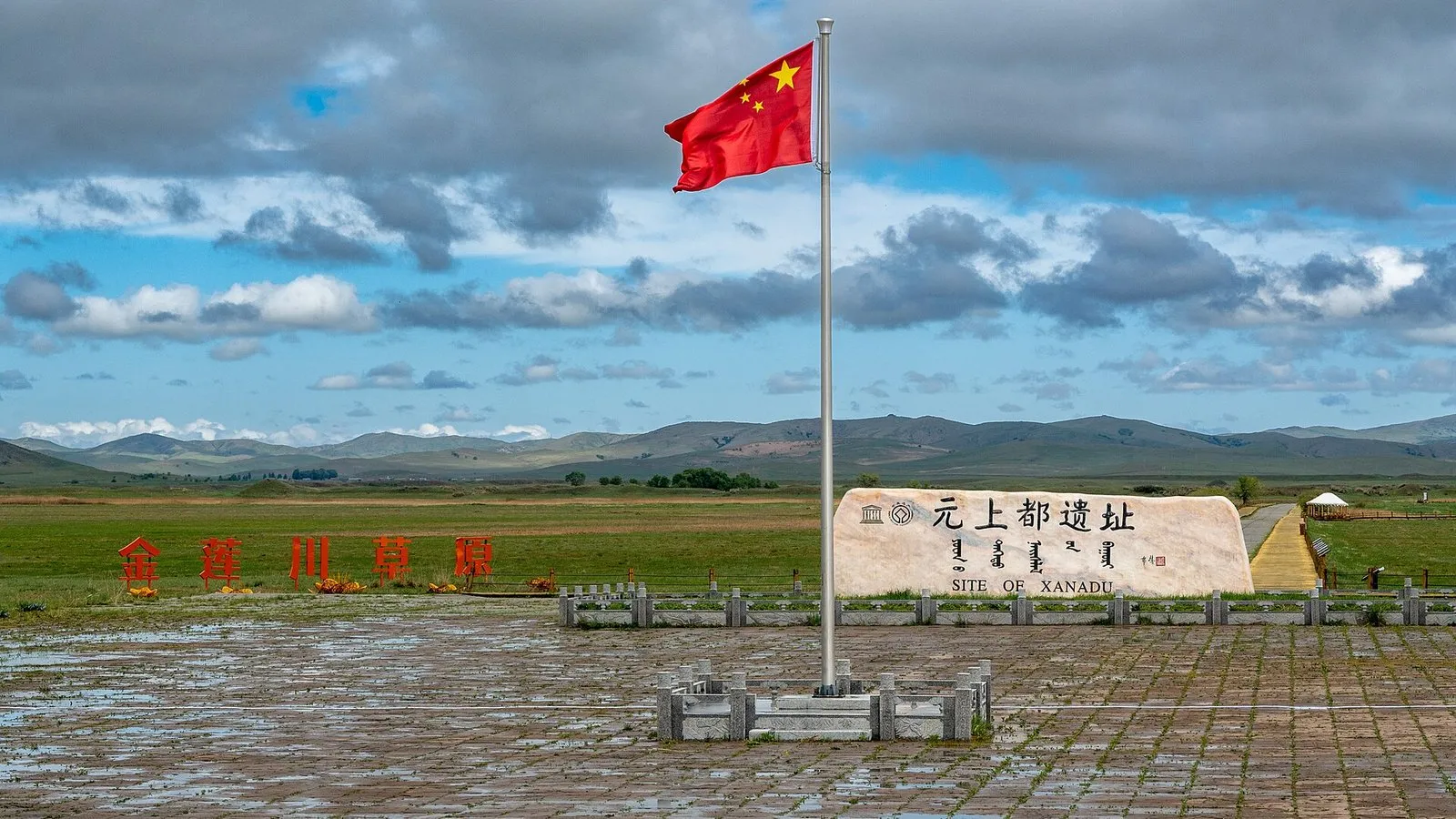 The grassland ruins of Xanadu (Shangdu) in Inner Mongolia — Kublai Khan’s legendary summer capital, and a true off-the-beaten-path site.
How to fit them into a trip
You don’t need a “heritage checklist” holiday — most of the must-sees cluster naturally into the routes people already travel:
- Beijing alone holds five (Great Wall, Forbidden City, Summer Palace, Temple of Heaven, Central Axis) plus the Ming Tombs nearby.
- Sichuan packs in Jiuzhaigou, the pandas, Mount Emei/Leshan, Huanglong and Dujiangyan.
- The Jiangnan loop (Shanghai → Suzhou → Hangzhou) covers the Suzhou gardens and West Lake.
- The southwest rewards a longer trip: Lijiang, the Hani terraces, the Three Parallel Rivers and Guilin’s karst.
For when to go to each region, see the best time to visit China, and browse our nature and culture highlights for the sites we’ve covered in depth.
FAQ
Which Chinese World Heritage Site is the most visited? The Great Wall and Beijing’s Forbidden City are the most-visited, followed by sites like the Terracotta Army, West Lake and the Sichuan panda sanctuaries.
What’s the newest UNESCO site in China? The Xixia Imperial Tombs in Ningxia, inscribed in 2025.