China is modern and the odds of a serious problem are low — the realistic risks for travellers are an upset stomach, the odd bad air-quality day, and not knowing where to go if you do feel ill. A little preparation handles all three.
Before you go
- Check your routine vaccinations are up to date. Travel clinics commonly suggest Hepatitis A and typhoid for China (both spread via food/water), and sometimes Hep B; see a travel clinic 4–6 weeks before you fly for personalised advice.
- Bring your own medical kit. A small one covers most situations: any prescription meds (in original packaging, with a doctor’s note), painkillers, anti-diarrhoea tablets (Imodium), oral rehydration salts, motion-sickness pills, plasters, and hand sanitiser.
- Mind restricted medications. China limits some drugs — strong painkillers (codeine), some ADHD and psychiatric meds, and sleeping pills can be controlled. Carry only what you need, in its packaging, with a prescription/letter.
- Get travel insurance with medical evacuation — the one cost you can’t self-fund.
Water and food
- Don’t drink the tap water. Stick to bottled or boiled water — it’s cheap and everywhere. Locals drink hot water (热水) for a reason; you’ll see kettles and hot-water dispensers in every hotel and station.
- Eat at busy places. High turnover means fresh food; a packed street stall is usually safer than an empty restaurant (see street food safety).
- Ease in. Chinese food can be richer and oilier than you’re used to — pace yourself the first day or two, and keep rehydration salts and Imodium handy for traveller’s tummy.
Air quality
Pollution varies hugely by city and season — worst in northern cities in winter (heating season), often fine elsewhere and in summer.
- Check a real-time AQI app (e.g. AirVisual / IQAir) each morning.
- Pack a few KN95/N95 masks for high-AQI days — essential if you have asthma or are travelling with kids or older relatives.
- On a bad day, swap outdoor sightseeing for museums and indoor sights.
Toilets
Public toilets are common but often squat-style, and many don’t supply toilet paper or soap. Carry your own tissues and hand sanitiser — non-negotiable. Hotels and malls have Western-style toilets.
If you get sick
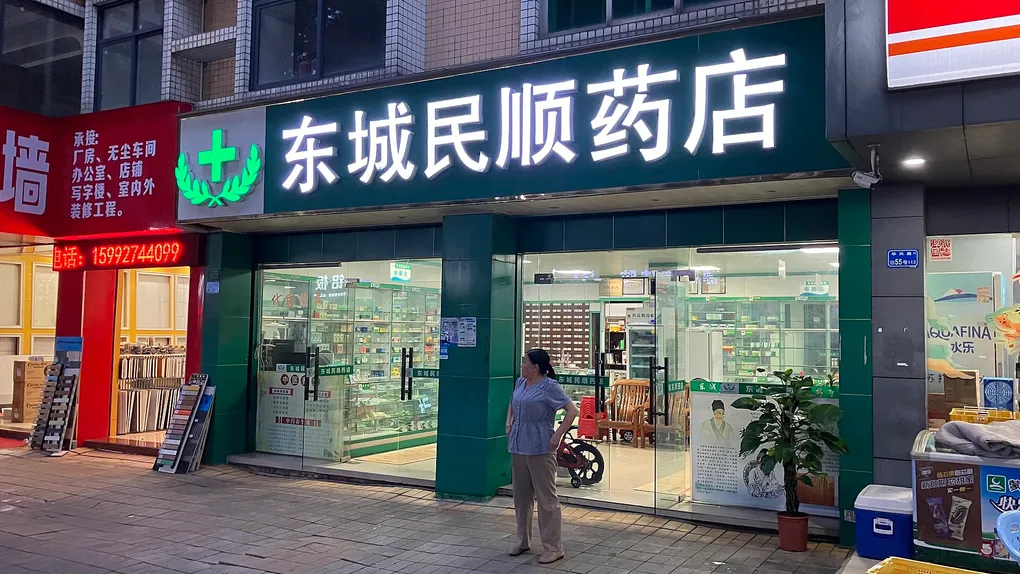
- Minor stuff: pharmacies (药店, marked with a green cross) are everywhere and stock common remedies; staff can often help with simple needs even without much English.
- Something more serious: in big cities, international clinics and hospital “VIP/international wards” (e.g. United Family, ParkwayHealth) have English-speaking doctors — pricier, which is where your insurance earns its keep. Your hotel can help you find care, and so can our guide to getting help in English.
- Emergencies: dial 120 for an ambulance (see all the emergency numbers). Keep your insurance assistance hotline saved offline.
A few more health notes
- Altitude matters at Tibet, Jiuzhaigou and other plateau sights — ascend slowly and rest on day one.
- Mosquitoes can carry dengue in the tropical south in summer — pack repellent.
- Jet lag: get morning daylight and shift your meals to local time to reset faster.
- Curious about Traditional Chinese Medicine? It’s everywhere — fun to explore, but treat serious illness at a proper clinic.
The bottom line
Drink bottled water, eat at busy places, carry tissues and a small medical kit, keep an eye on the AQI, and travel insured. Do that and the odds are you’ll come home with nothing worse than a few extra kilos.
FAQ
Can you drink the tap water in China? No — drink bottled or boiled water. Hot water is available free in hotels, stations and restaurants.
Do I need vaccinations for China? Make sure routine vaccines are current; travel clinics often recommend Hepatitis A and typhoid. See a travel clinic 4–6 weeks before you go for personal advice.
Is the air pollution in China dangerous for tourists? It varies by city and season (worst in northern winters). Check an AQI app daily and pack a few KN95 masks for bad days, especially if you have a respiratory condition.
What should I do if I get sick in China? Use a pharmacy (药店) for minor issues; for anything serious, go to an international clinic or hospital VIP ward in a big city, call 120 for emergencies, and lean on your travel insurance hotline.