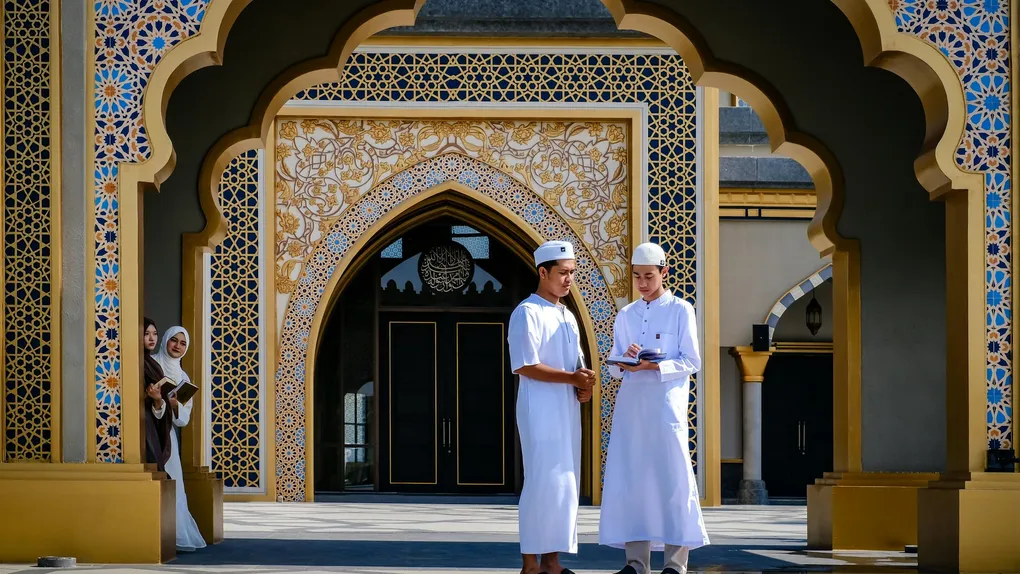
China has a large, centuries-old Muslim population — the Hui, Uyghur and several other ethnic groups, numbering over 20 million — so halal food and mosques are a normal, established part of life here. Muslim travellers are well catered for, especially once you know the one word that unlocks it all: 清真 (qīngzhēn), meaning halal. Here’s how to travel comfortably.
The Niujie Mosque in Beijing — a Chinese-style mosque dating back over a thousand years.
Halal food: look for 清真
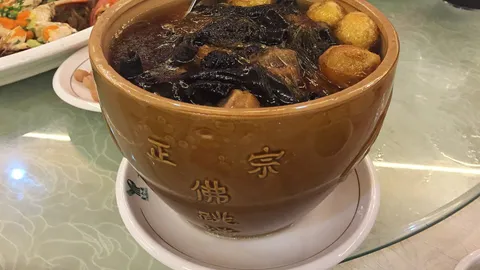
清真 (qīngzhēn) is your magic word and symbol. You’ll see it — often in green, sometimes with Arabic script — on restaurant signs, food stalls, supermarket aisles and packaged goods across the whole country. It means the food is halal: no pork, and prepared to Islamic standards.
- Hui Muslim restaurants are everywhere, in every city.
- Lanzhou beef noodles (兰州拉面) — hand-pulled noodle shops run by Hui Muslims are a nationwide chain you’ll find on almost any street; reliable, cheap and halal.
- Xinjiang restaurants — lamb skewers, big-plate chicken (大盘鸡), pilaf (抓饭) and naan, all halal.
- Big supermarkets and department-store food courts have halal sections and stalls.
A caution: pork is common in mainstream Chinese cooking, so outside 清真 places, always check. And ordering without Chinese helps at the counter.
🍽️ Hunting for halal? Read our full guide to finding halal food in China — the key phrases to use, the apps that map out 清真 restaurants, and exactly where to look in any city.
The most Muslim-friendly regions
You’re well looked-after anywhere, but these areas are especially easy:
- The Northwest — Ningxia, Gansu, Qinghai and Xinjiang have large Muslim populations, abundant halal food and many mosques.
- Xi’an’s Muslim Quarter (回民街) — a famous, atmospheric warren of halal street food beside the Great Mosque, one of China’s oldest.
- Yunnan (Kunming, Dali) also has an established Hui community.
- Big cities — Beijing, Shanghai, Guangzhou and others all have historic mosques and plenty of halal options.
Mosques & prayer
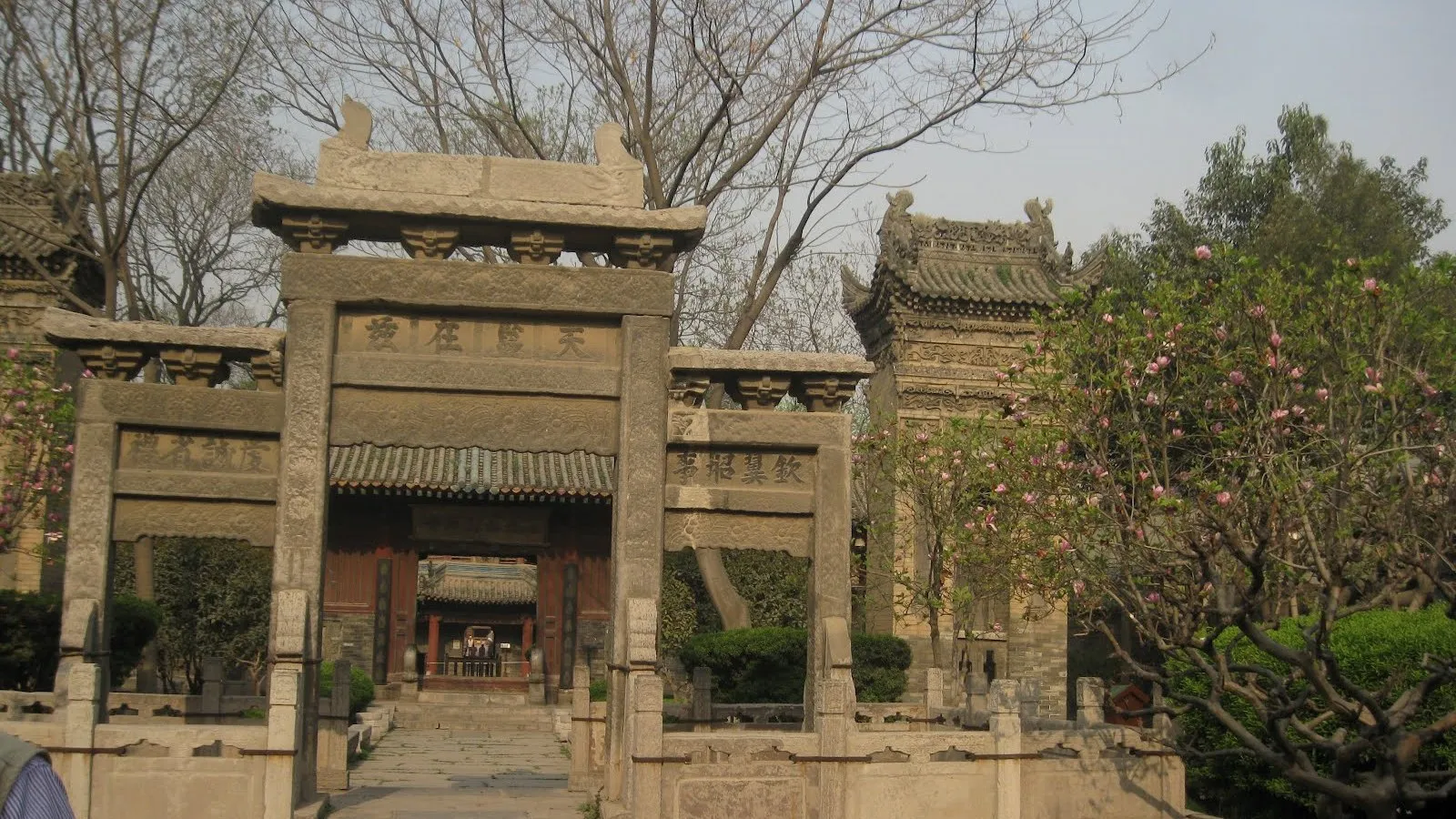 The Great Mosque of Xi’an — one of China’s oldest mosques, built in a distinctive Chinese architectural style.
Most major cities have historic, active mosques welcoming worshippers:
- Niujie Mosque (Beijing), the Great Mosque of Xi’an, Huaisheng Mosque (Guangzhou, said to be among the world’s oldest), Songjiang Mosque (Shanghai), and grand mosques in Yinchuan, Lanzhou, Xining and Kunming.
- For daily prayers, a qibla-compass app (download before you arrive, as some need a VPN) and a packable prayer mat keep you self-sufficient between mosque visits.
- Friday prayers (Jumu’ah) are held at city mosques; arrive early as popular ones fill up.
Ramadan & practicalities
- During Ramadan, Hui and Uyghur Muslim restaurants observe the fast and adjust hours — and you’ll easily find others breaking fast at 清真 eateries after sunset.
- Alcohol is never pushed on you; tea is the default drink with most meals.
- Carry a little cash backup, but China runs on mobile payments — handy at halal stalls and markets alike.
A note on Xinjiang
Xinjiang — the homeland of the Uyghurs and a region of stunning landscapes and food — is open to foreign tourists, but it has its own practical considerations (more security checkpoints and a different travel rhythm than the rest of China). We cover what to expect honestly in can foreigners visit Xinjiang and Tibet?.
Travelling a different way? See our guides for every kind of traveller — seniors, families, LGBTQ+ visitors and solo women.
FAQ
Is it easy to find halal food in China? Yes — look for the 清真 (qīngzhēn) sign, which marks halal food. Hui Muslim restaurants, Lanzhou beef-noodle shops and Xinjiang eateries are found nationwide, and supermarkets have halal sections.
Are there mosques in China? Yes — most major cities have historic, active mosques, including Niujie Mosque in Beijing, the Great Mosque of Xi’an and Huaisheng Mosque in Guangzhou. The Northwest (Ningxia, Gansu, Qinghai, Xinjiang) has the most.
Which parts of China are most Muslim-friendly? The Northwest (Ningxia, Gansu, Qinghai, Xinjiang), Xi’an’s Muslim Quarter and Yunnan have the largest Muslim communities and the most halal food and mosques, though big cities are well catered for too.