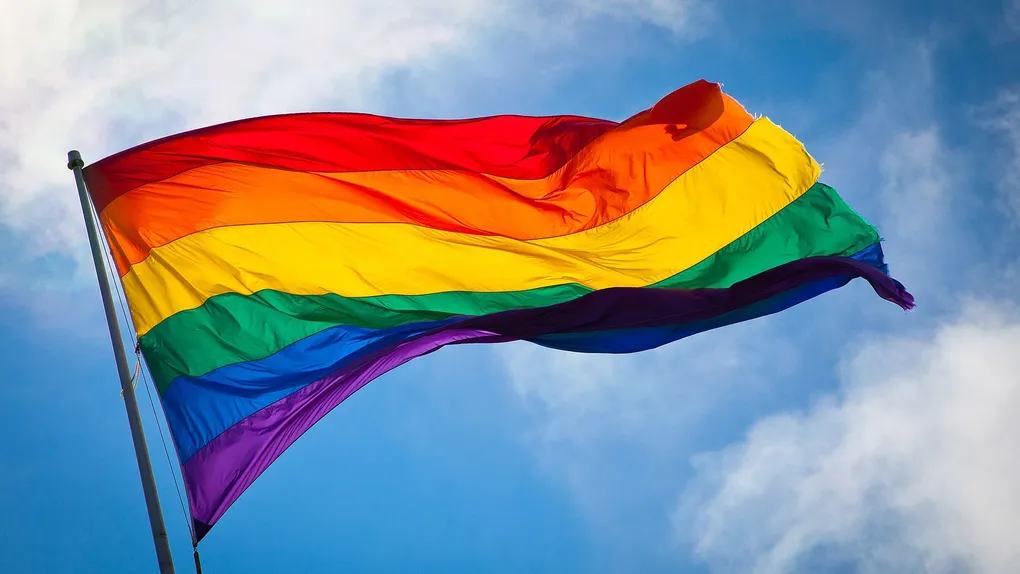
The short version: being LGBTQ+ is legal in China, the country is very safe to travel in, and as a visitor you’re extremely unlikely to face any trouble. The nuance is social rather than legal — attitudes are more “live and let live” than openly celebratory, and public life is low-key for everyone. Here’s an honest picture.
The legal situation
- Homosexuality is legal — it was decriminalised in 1997 and removed from the official list of mental illnesses in 2001. Being gay, lesbian or bisexual is not a crime.
- No legal recognition: there is no same-sex marriage or civil partnership, and no anti-discrimination protections based on sexual orientation or gender identity.
- There are no laws targeting LGBTQ+ visitors, and no “morality” policing of tourists.
How safe is it?
Very. China has very low violent crime, and hostility or violence toward LGBTQ+ travellers is rare to the point of being a non-issue for visitors. You can travel, share hotel rooms and explore freely. Booking a room with one bed for a same-sex couple is generally no problem anywhere.
Social attitudes
China leans toward a quiet “don’t ask, don’t tell” culture rather than open celebration.
- Big cities (Shanghai, Beijing, Chengdu, Guangzhou, Shenzhen) and younger people are noticeably more open and accepting.
- Older generations and rural areas are more conservative, and being openly out is less common.
- Public displays of affection are restrained across the board — even straight couples keep it low-key — so same-sex couples naturally blend in by doing the same.
LGBTQ icons China cherishes
Social conservatism hasn’t stopped some openly LGBTQ figures from becoming among the most beloved and respected names in all of Chinese culture:
- Leslie Cheung (张国荣) — the definitive icon. The legendary Hong Kong singer and actor (Farewell My Concubine, Happy Together, Days of Being Wild) was openly devoted to his long-term partner, Daffy Tong, and remains revered across the entire Chinese-speaking world; fans still gather every year on the anniversary of his death to honour him.
- Jin Xing (金星) — one of mainland China’s most famous entertainers: a celebrated modern dancer turned sharp-witted, hugely popular TV host and talent-show judge, and an openly transgender woman — frequently named among China’s most influential media personalities.
- Kevin Tsai / Cai Kangyong (蔡康永) — the erudite, much-loved Taiwanese host (of the hit talk show Kangxi Coming) and author, openly gay and admired as one of the Chinese-speaking world’s most thoughtful public voices.

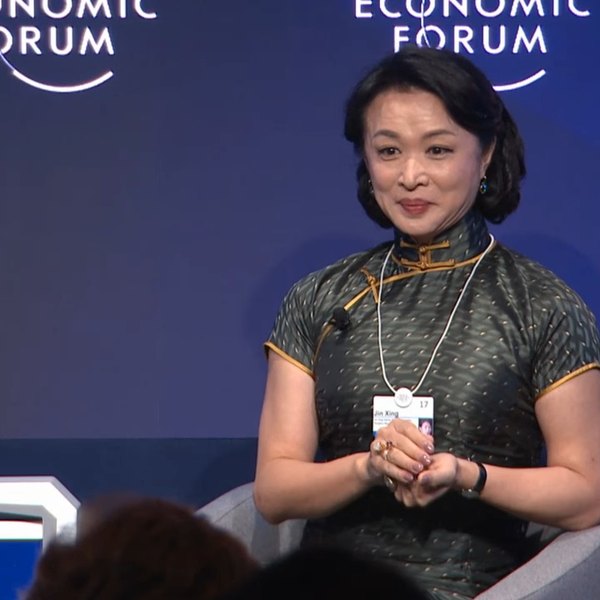

The honest nuance: openly out celebrities remain rarer in mainland entertainment than in Hong Kong or Taiwan, partly due to media censorship. But figures like these are genuinely cherished — a sign that LGBTQ people hold a respected place in Chinese cultural life.
The scene & apps
- Chengdu is the standout. Often dubbed the “gay capital of China” (or “Gaydu”), the laid-back Sichuan city has the country’s most relaxed, visible LGBTQ scene and a lively cluster of gay bars and clubs. Shanghai, Beijing, Guangzhou and Shenzhen also have well-established venues.
- Dating apps that work in China:
- Blued (蓝) — the big homegrown gay app, built by a Chinese company; it’s the most-used in the country and, crucially, works without a VPN.
- The L / Rela (热拉) — the main Chinese app for queer women, also usable without a VPN.
- Grindr — works, but like most Western apps you’ll likely need a VPN set up before you arrive.
So even without a VPN you won’t be cut off — the local apps are right there in the Chinese app stores.
Good to know
- Activism is sensitive. The government has curtailed LGBTQ+ NGOs and campus groups and censors some LGBTQ+ content in films and TV (Shanghai Pride wound down in 2020). As a visitor, simply steer clear of political or activist activity and you’ll have no issues — your trip is yours to enjoy.
- Trans travellers: carry any medication in its original packaging with a doctor’s letter (see staying healthy in China); minor mismatches between your appearance and passport gender marker rarely cause problems at routine checks, but having documentation helps.
- China is one of the safest places you can travel overall — see is China safe for tourists?.
Travelling a different way? See our guides for every kind of traveller — seniors, families and solo women.
FAQ
Is being gay legal in China? Yes. Homosexuality was decriminalised in 1997 and is not a crime. However, there is no same-sex marriage and no anti-discrimination protection.
Is China safe for LGBTQ+ travellers? Yes — it has very low violent crime and hostility toward LGBTQ+ visitors is rare. Attitudes are reserved rather than hostile, and big cities are the most open.
Can a same-sex couple share a hotel room in China? Yes, this is generally no problem anywhere, including booking a room with one bed.
Do dating apps work in China? Yes. Blued — China’s homegrown gay app — works without a VPN, as does Rela (热拉) for queer women. Grindr works too but usually needs a VPN, which you should install before arriving.