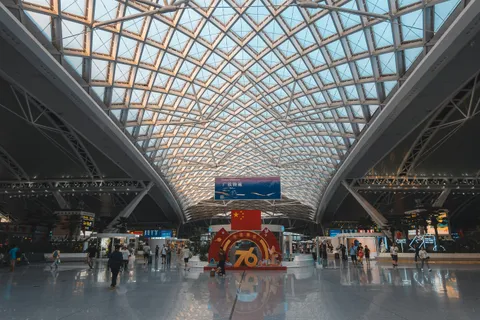
First, the reassuring part: China is one of the safest countries you can travel in, with very little violent crime. The risks for tourists are almost all wallet scams — annoying, not dangerous — and they cluster around a few predictable spots: famous sights, train stations and taxis. Learn the handful of classics and you’ll sidestep nearly all of them.
The transport scams (most relevant on the move)
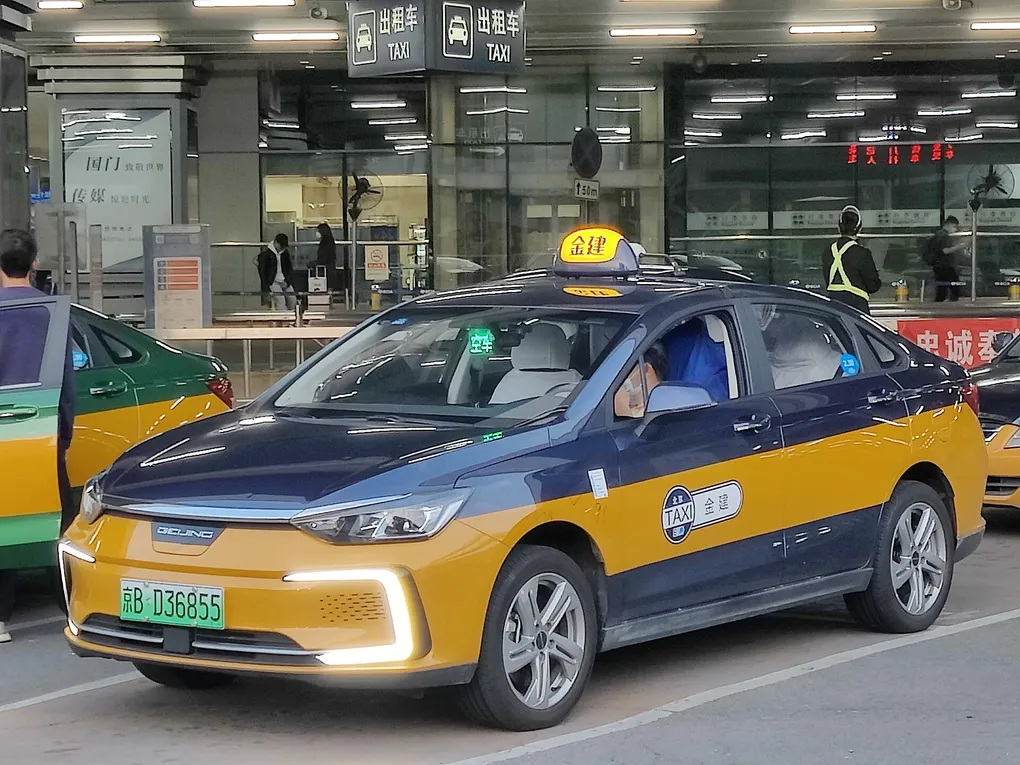
- The unmetered or “broken meter” taxi. A driver quotes a flat fare or says the meter’s broken.
Fix: insist on the meter (“dǎ biǎo”, 打表), or just use Didi so the price is fixed in-app and there’s a record. - Airport & station “taxi” touts. People approaching you inside the terminal offering a ride are almost always unlicensed and overpriced.
Fix: ignore them and join the official taxi queue outside, or book a Didi. - The long way round. A meter is running but the route isn’t.
Fix: follow along on Amap/Baidu Maps; drivers rarely detour when they see you watching. - Pedicab / rickshaw “per person” surprise. You agree a price, then at the end it’s “per person” or ten times more.
Fix: agree the total in writing (type it into a phone), or skip pedicabs altogether. - Fake QR codes stuck over the real ones on shared bikes or parking meters.
Fix: only scan the code printed into the bike’s frame/app, never a loose sticker. - The driver’s “recommended” restaurant. A taxi or pedicab driver insists on taking you to a “great local” restaurant, tea house or shop — where he collects a kickback and you pay inflated prices.
Fix: pick your own place (check Dianping) and politely decline driver “recommendations.”
The classic tourist-trap scams
- The tea ceremony (茶艺) scam. Friendly, English-speaking “students” invite you to a traditional tea house; the bill is then hundreds of dollars.
Fix: never let strangers lead you to a specific tea house, bar or restaurant. - The bar / KTV invite. New “friends” (often an attractive stranger) take you to a bar or karaoke; the drinks bill is astronomical and they vanish.
Fix: choose your own venues; never follow an over-eager new acquaintance. - The two-menu / “yin-yang menu” (阴阳菜单) trick. Some tourist-area restaurants keep two price lists — a normal one and an inflated one for outsiders — or quote pricey items (especially seafood and meat) by weight (per 斤/两) so the bill balloons. Even Chinese tourists get caught by this.
Fix: order from the same picture menu locals use, check the unit of every price, and confirm the total for anything sold by weight before they cook it. - The street chopped-sweets scam (切糕 / 驴打滚). A vendor selling dense nut cake or sticky sweets cuts off a big slab “for you to try,” weighs it, and demands a shocking sum — it’s sold by weight and the piece is huge and heavy. This one fools locals too.
Fix: don’t let them cut anything until you’ve agreed a small size and a price; if they won’t, walk away. - Fake monks handing you a “blessing” bracelet or asking for temple “donations.”
Fix: real monastics don’t solicit tourists on the street; decline and move on.
Money & ticket scams
- Counterfeit notes / the note switch (rare now that everyone pays by phone).
Fix: pay with Alipay/WeChat and you skip cash handling entirely. - Station ticket touts selling “tickets” outside the station.
Fix: buy rail tickets only via Trip.com, the 12306 app, or official station counters — never from a person on the concourse. - SIM/currency-exchange overcharging at unofficial booths.
Fix: use official carrier shops, banks, or a pre-bought eSIM.
Tour & shopping scams
- Overpriced souvenirs inside scenic areas (景区). Trinkets, snacks and “local specialty” gifts sold inside the gates of famous attractions can cost several times what they do in town.
Fix: browse at the sights but buy your souvenirs elsewhere — a specialised market, a supermarket, a fixed-price chain, or online (JD/Taobao). See the souvenirs guide for where to buy and fair prices. - The cheap group-tour / forced-shopping trap (低价团). Suspiciously cheap — or “free” — day trips and bus tours make their real money by herding you through a string of jade, tea, silk, pearl or “traditional medicine” shops with high-pressure sales, plus hidden surcharges or “compulsory” tips.
Fix: book clearly-priced tours from a reputable operator (e.g. Klook or Viator), distrust prices that seem too good to be true, and never feel obliged to buy anything at a shopping stop. If you genuinely want to buy tea, silk or jewellery/jade, skip the tour shops and get it instead at a specialised market or a reputable brand store — quality and pricing are far more trustworthy (see markets & bargaining).
The five habits that beat every scam
- If a stranger leads, don’t follow — to a tea house, bar, gallery or “special” shop.
- Agree the price before anything is opened, handed to you, or you get in.
- Use apps for prices and records — Didi for cars, Alipay/WeChat for paying, maps for routes.
- “Too friendly, too fast” is the warning sign — genuine locals are kind but not pushy.
- When pressured, threaten to call 110 (police) — it ends almost every scam instantly.
The bottom line
Don’t let any of this make you paranoid — the overwhelming majority of people you meet in China are warm and honest, and most travellers never hit a single scam. Keep these few habits, lean on apps for transport and payments, and you can relax and enjoy the trip. For the wider picture, see is China safe for tourists.