The trip’s nearly over — here’s how to bring a little of China home with you, and avoid the souvenir regrets.
Best souvenirs to buy
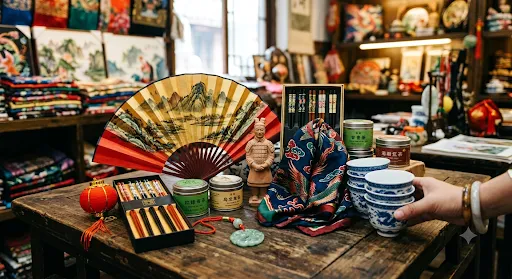
Tea — Lightweight, delicious, and deeply Chinese. Loose-leaf Longjing (green), Tieguanyin (oolong), or Pu’er from a reputable tea shop makes a perfect gift. Price can vary, but with a budget of 500 CNY/half kilo, you can get tea with premium quality.
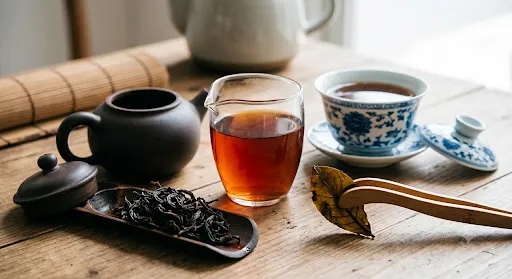 Loose-leaf Chinese tea — light, packable and a perfect gift.
Silk — Scarves, ties, and fabric — Suzhou and Hangzhou are famous for it.
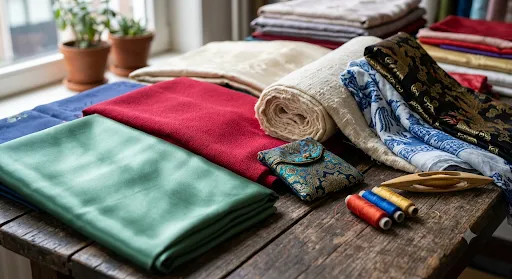 Chinese silk — scarves and fabric from Suzhou and Hangzhou.
Chopsticks and tea sets — Practical and beautiful; ceramic from Jingdezhen is prized.
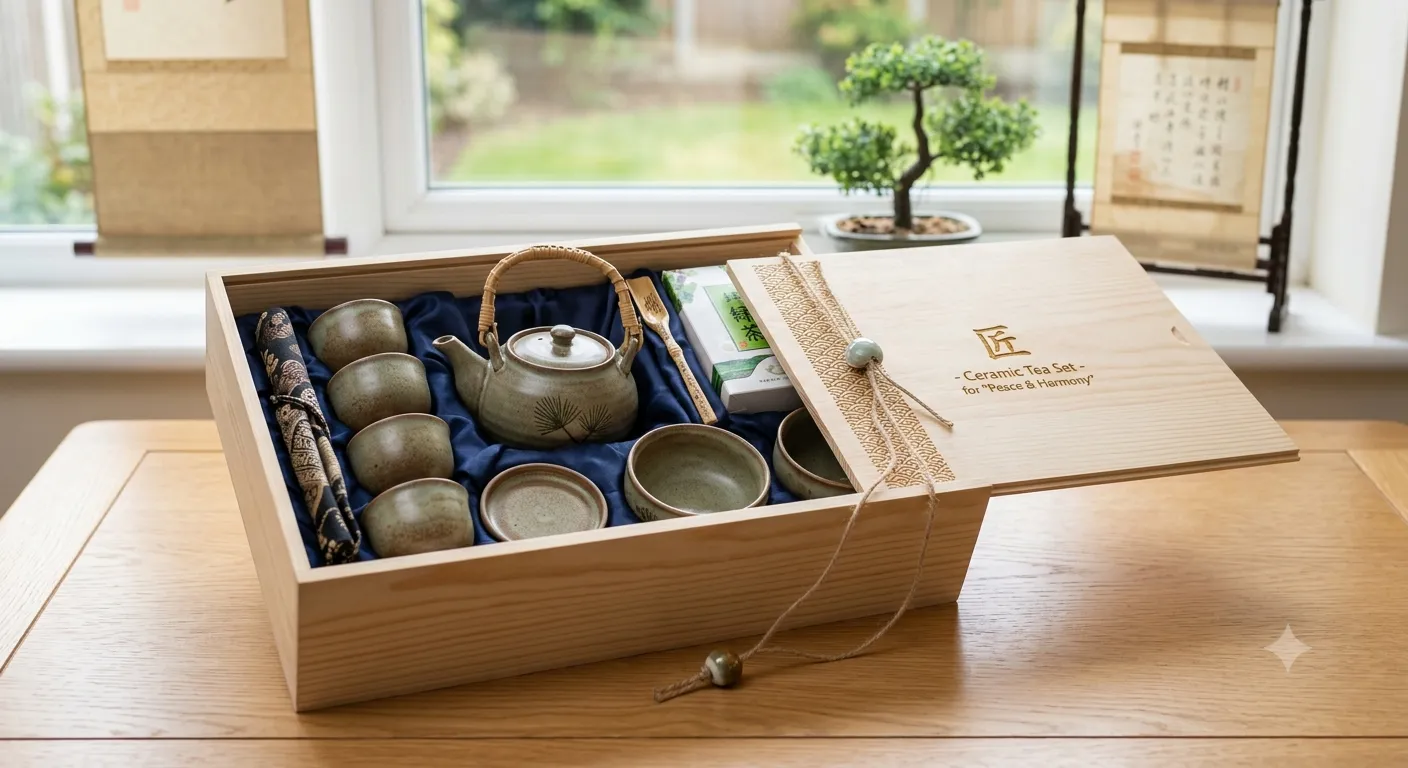 A ceramic tea set — Jingdezhen porcelain is especially prized.
Calligraphy and prints — A hand-painted scroll or a name written in calligraphy is personal and packable.
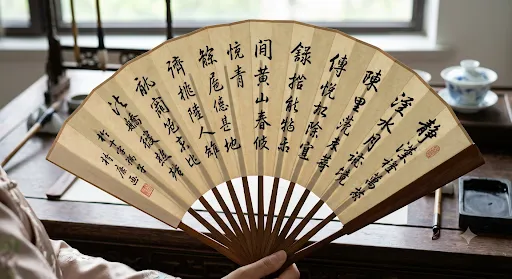 Hand-painted calligraphy — a personal, packable keepsake.
Snacks and spices — Sichuan peppercorns, chilli crisp, and regional sweets travel well (check your country’s import rules).
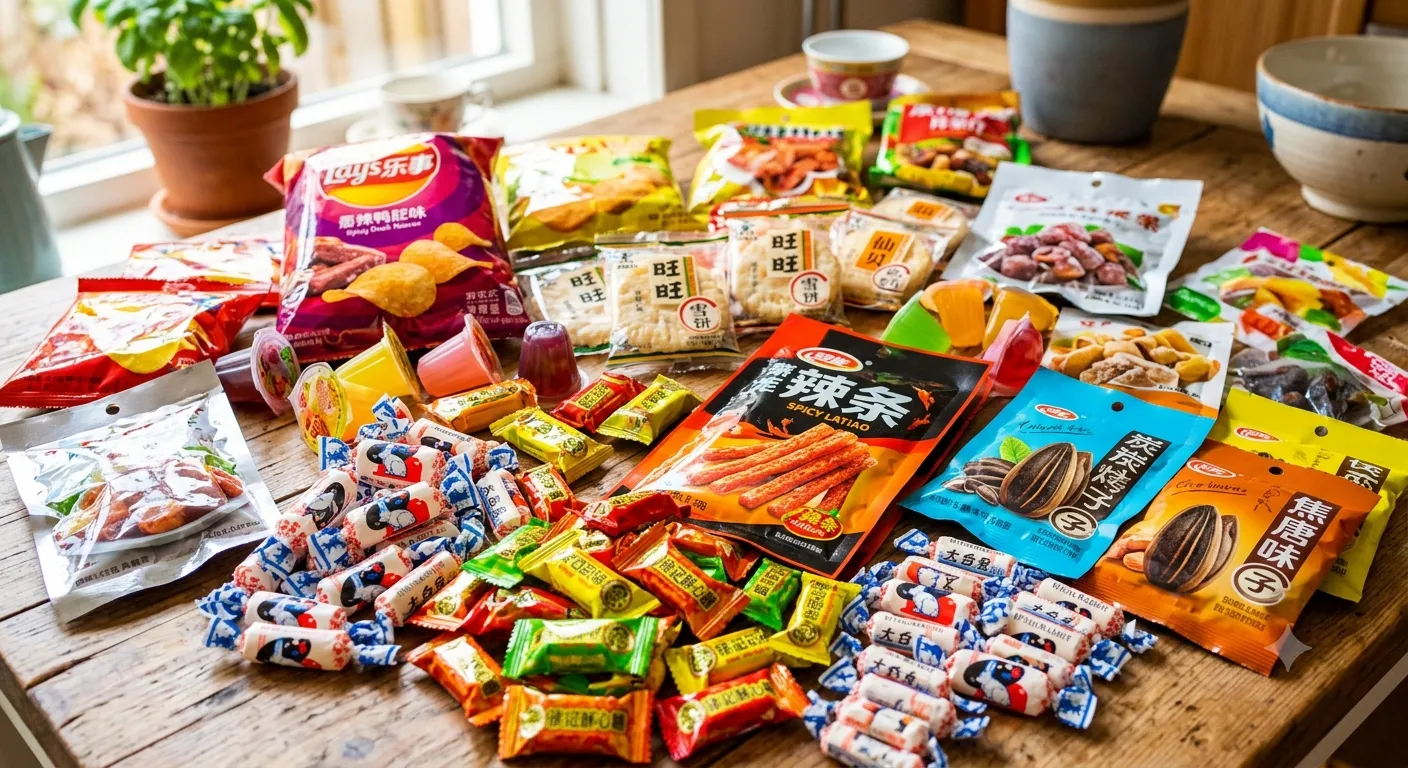 Regional snacks and spices — Sichuan peppercorns, chilli crisp and sweets.
Duty-free global cosmetics — You can save up to 20–40% off from the retail price for big brands like Estée Lauder and Shiseido in the Hainan duty-free zone.
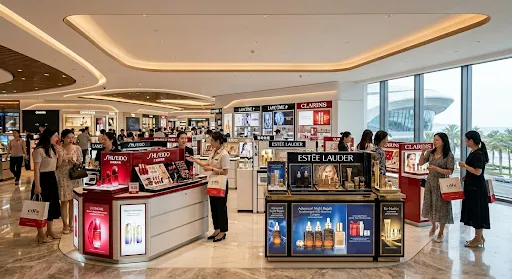 Duty-free cosmetics — big savings in the Hainan duty-free zone.
Where to buy — and what’s a fair price
The golden rule: don’t buy souvenirs inside tourist scenic areas (景区). The same item by the gates of a famous sight is often 2–5× more expensive than in a normal shop in town. Browse there for ideas, then buy elsewhere:
- Tea — a reputable tea shop or brand (中茶 / 八马 / 大益), or a dedicated tea market (e.g. Beijing’s Maliandao 马连道). Decent gift-quality loose-leaf runs about ¥200–500 per 500g; premium grades cost more.
- Silk — Suzhou/Hangzhou silk markets or a brand like Wensli (万事利). A genuine silk scarf is roughly ¥150–400; be wary of “silk” that’s really polyester.
- Ceramics & tea sets — homeware shops or Jingdezhen porcelain; a nice tea set is about ¥120–400.
- Snacks, spices & chilli crisp — buy in a supermarket, where they’re a fraction of tourist-shop prices (a jar of Lao Gan Ma 老干妈 is only a few yuan).
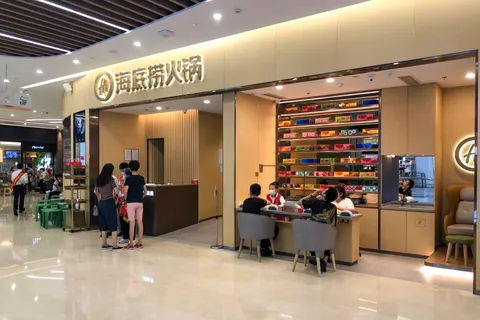
- Anything everyday — the big fruit/snack chains, supermarkets, or online (JD 京东 / Taobao 淘宝) give fixed, honest prices with no haggling.
A quick gut-check: if a price feels high and you’re standing inside an attraction, it almost certainly is — note the item and grab it cheaper in town.
What to be careful with
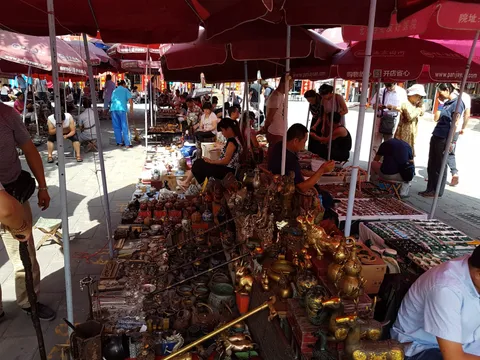
- Fakes and “antiques.” Genuine antiques need export paperwork, and most “ancient” market finds are reproductions. Buy them as fun replicas, not investments — and see which souvenirs you can’t export from China before you buy anything old.
- Bargaining. At markets, haggling is expected — start low and stay friendly. Fixed-price shops are fixed.
- Customs limits. Check your home country’s rules on food, plant products, and quantities before you stock up.
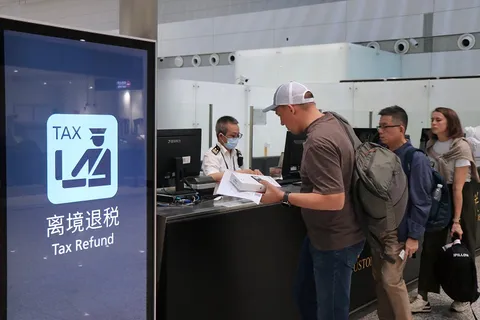
- VAT refunds. Big purchases from Tax Free stores may qualify for a tax refund on departure.
Keeping the memories
- Back up your photos to the cloud while you still have your VPN and data — before that eSIM expires.
- Note the dishes you loved so you can recreate or reorder them at home.
- Keep your transit cards, tickets, and receipts — they make great scrapbook material.
- Write a few lines while it’s fresh — the small moments fade fastest.
And finally
China has a way of surprising first-timers and pulling them back. Whatever you bring home, the best souvenir is usually the realisation that it was far easier — and far more rewarding — than you expected. Until the next journey east. 🏮