One of the secrets to eating well in China is to eat with the season (应季, yìngjì). Locals don’t just crave certain dishes — they wait all year for them, and many are tied to festivals. Time your trip to the right month and you’ll catch a delicacy at its once-a-year best. Here’s the calendar of must-eats.
Spring (春)
- Qingtuan (青团) — soft green glutinous-rice balls coloured with mugwort, filled with sweet red-bean or savoury fillings. Eaten around the Qingming Festival (early April).
- Yanduxian (腌笃鲜) — a Jiangnan soup of fresh and cured pork slowly simmered with spring bamboo shoots and tofu knots; the ultimate taste of spring.
- Spring bamboo shoots (春笋) and wild greens like shepherd’s purse (荠菜), at their tender best.
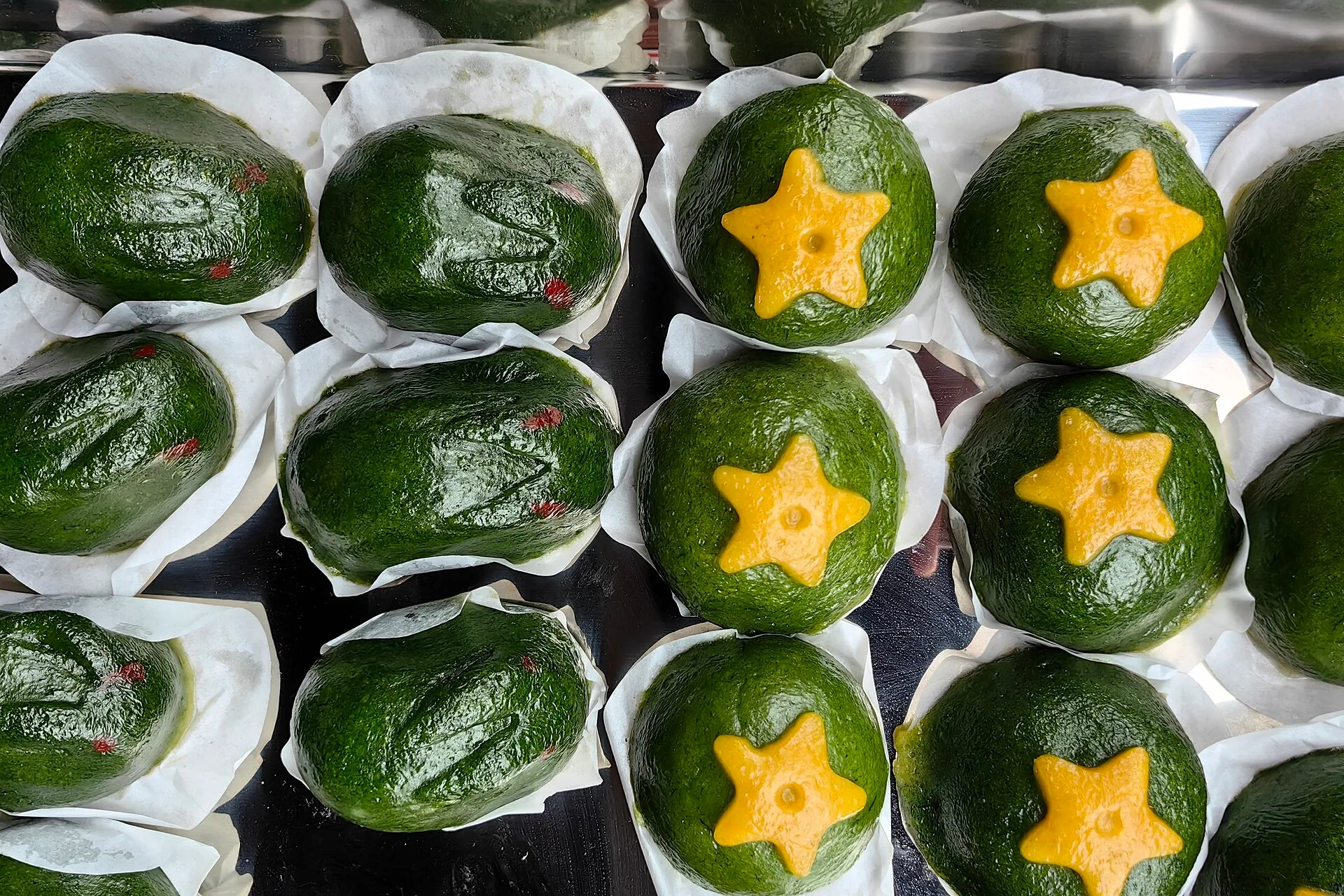 Qingtuan (青团) — mugwort-green rice balls eaten around Qingming.
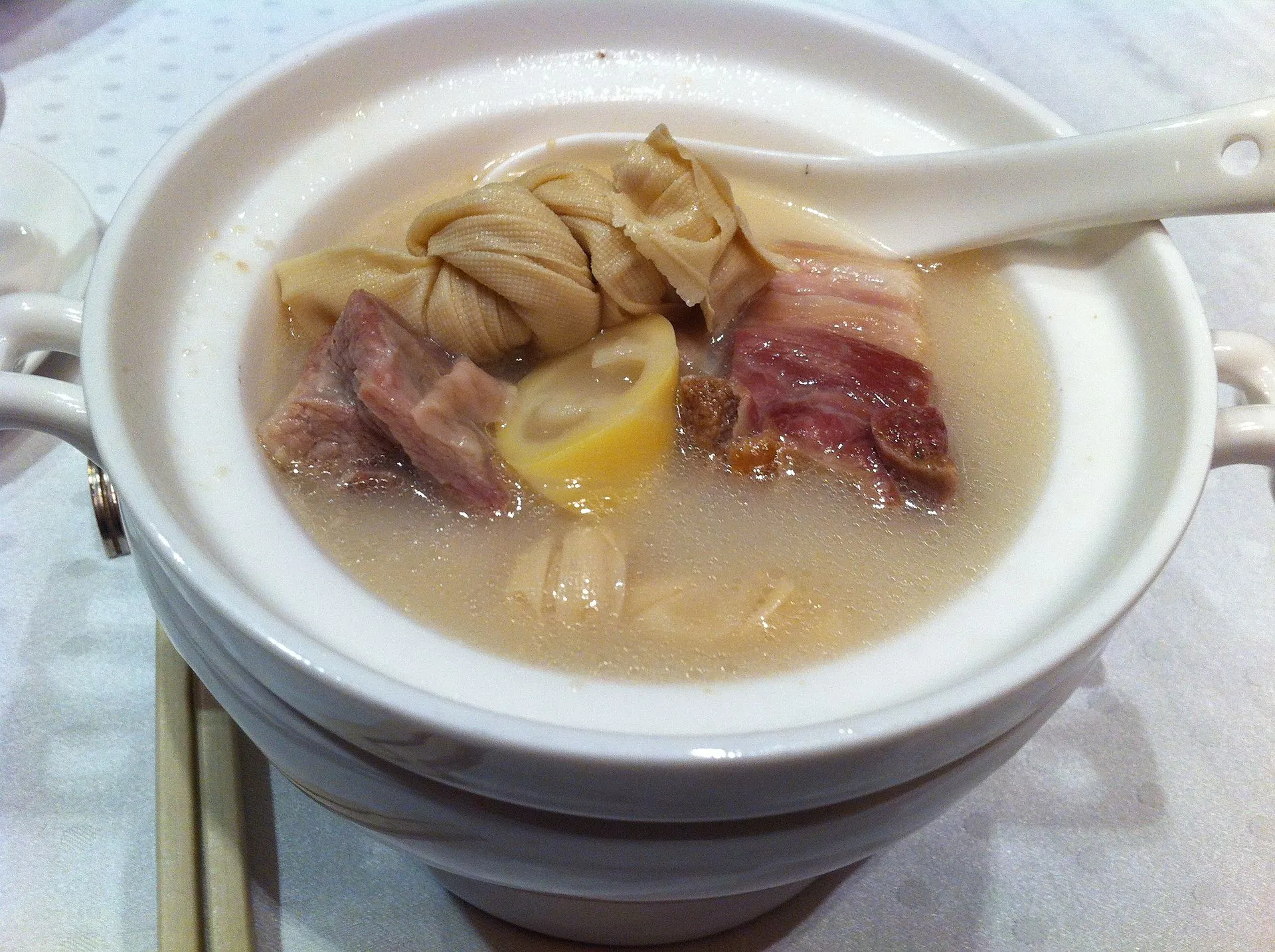 Yanduxian (腌笃鲜) — the spring soup of fresh and cured pork with bamboo shoots.
Early summer (初夏)
- Zongzi (粽子) — sticky rice wrapped in bamboo or reed leaves, sweet (red bean) or savoury (pork belly and salted egg yolk). The food of the Dragon Boat Festival (端午, around June).
- Loquats, bayberries (杨梅) and green plums — fleeting early-summer fruit.
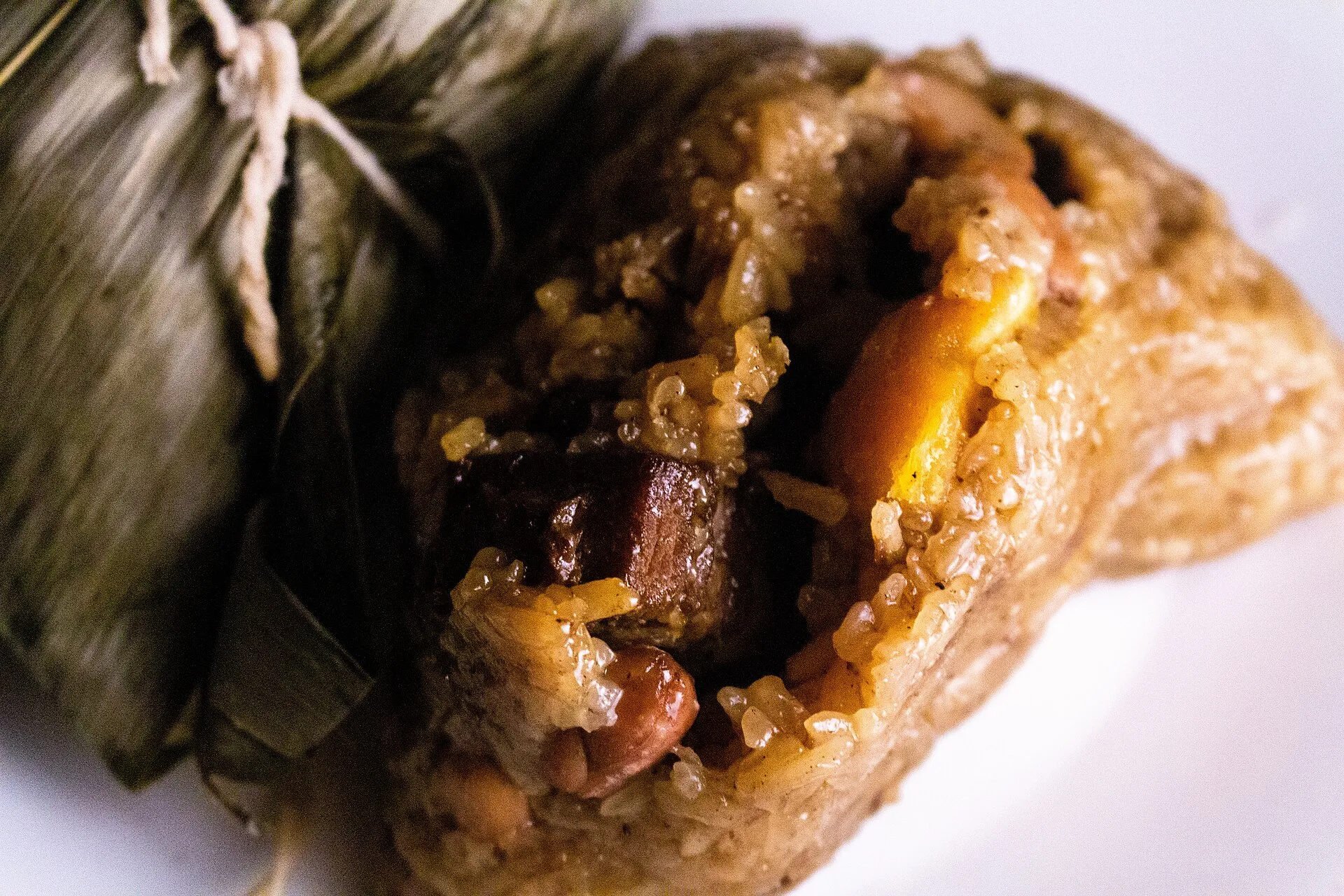 Zongzi (粽子) — leaf-wrapped sticky rice, the taste of Dragon Boat Festival.
Summer (夏)
- Crayfish (小龙虾) — spicy, garlicky, and the heart of every summer beer-garden night.
- Cooling classics — watermelon, mung-bean soup (绿豆汤), sour-plum drink (酸梅汤) and cold noodles (凉面) to beat the heat.
Summer is also China’s great fruit season regardless of the region, and locals prize specific regional varieties — these are the names to look for:
- Yangmei / Chinese bayberry (杨梅) — jewel-red, sweet-tart berries; the most prized come from Xianju (仙居) in Taizhou, Zhejiang. A fleeting early-summer treat.
- Fenghua honey peach (奉化水蜜桃) — impossibly juicy, soft white peaches from Fenghua near Ningbo; eat one over a sink.
- Guangdong lychee (广东荔枝) — at their peak in June; the crowd-favourite cultivar is Feizixiao (妃子笑), alongside Guiwei (桂味) and Nuomici (糯米糍).
- Hainan mango (海南芒果) — sweet and fragrant, China’s best from the tropical south.
- Dragon fruit (火龙果) and loquat (枇杷) — pink-skinned pitaya and golden, honey-sweet loquats round out the season.
- Plus longan (龙眼), plums and Hami melon (see the Xinjiang section).
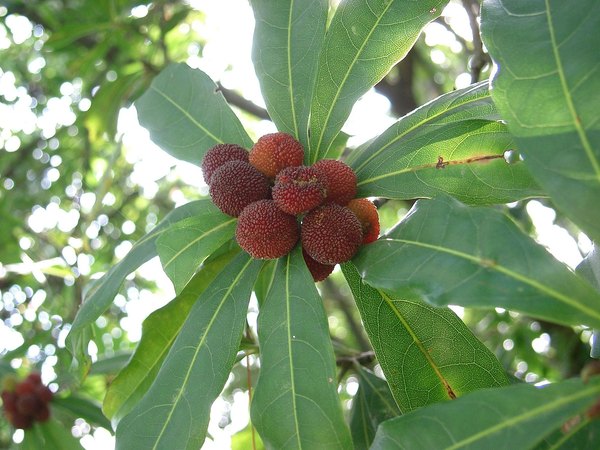
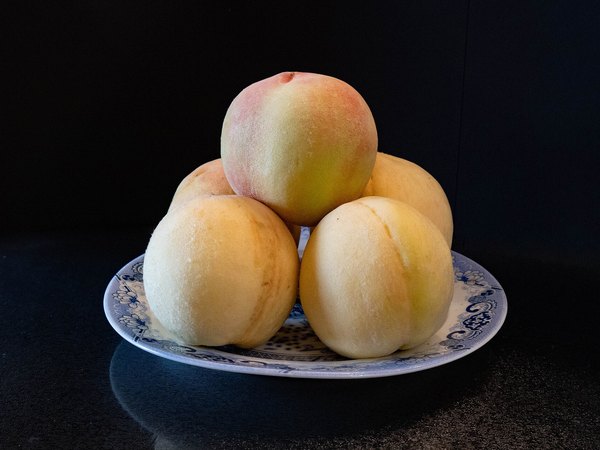
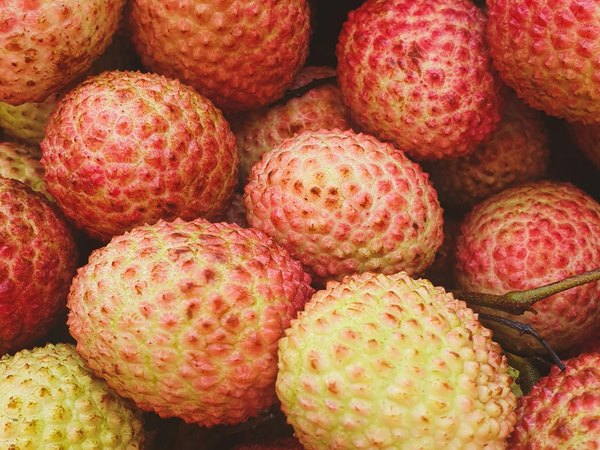
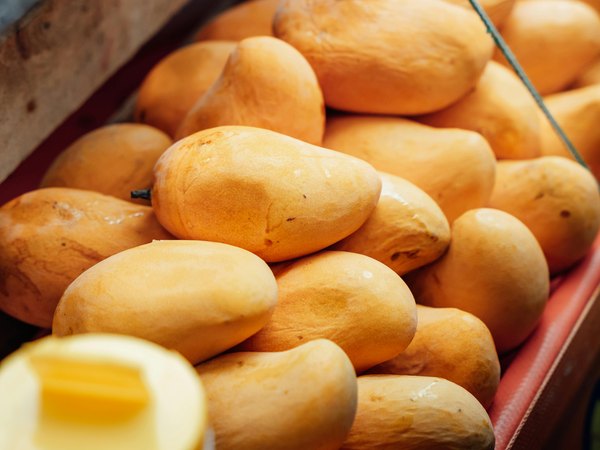
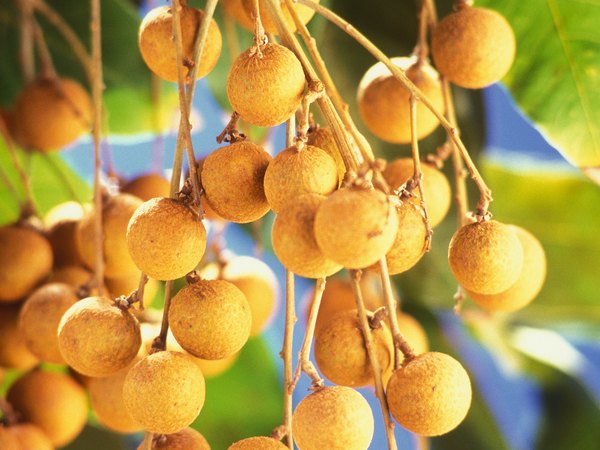
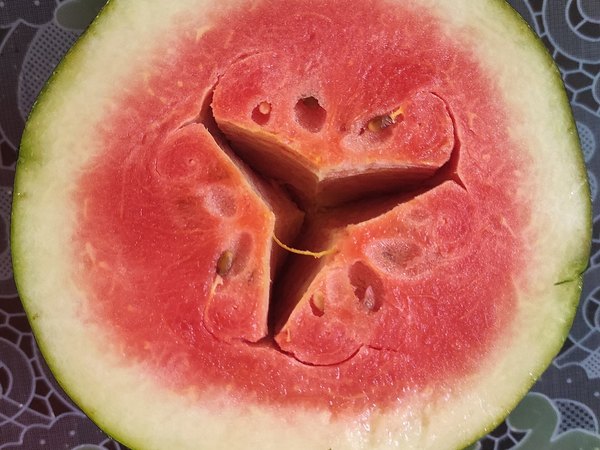
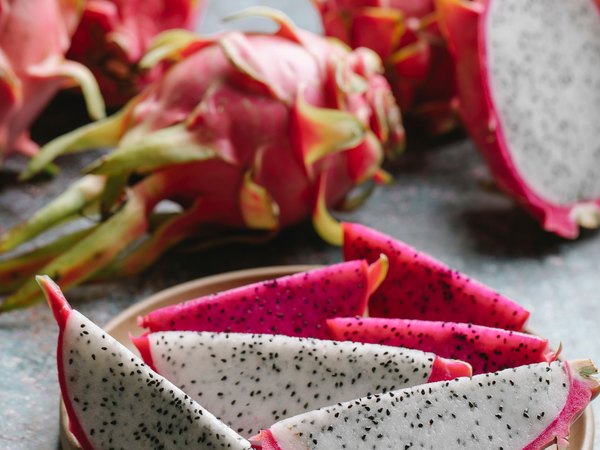
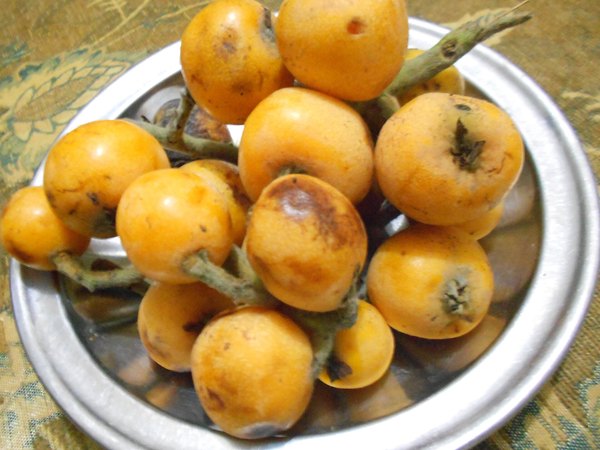
🍑 Where to buy without the haggle: for fixed, fair prices, look for the big fruit chains — Pagoda (百果园) and Xianfeng Fruit (鲜丰水果). They’re everywhere in Chinese cities, clearly priced and consistent, so you won’t get the “foreigner price” that can happen at a street stall. Many even let you taste before you buy.
Autumn (秋)
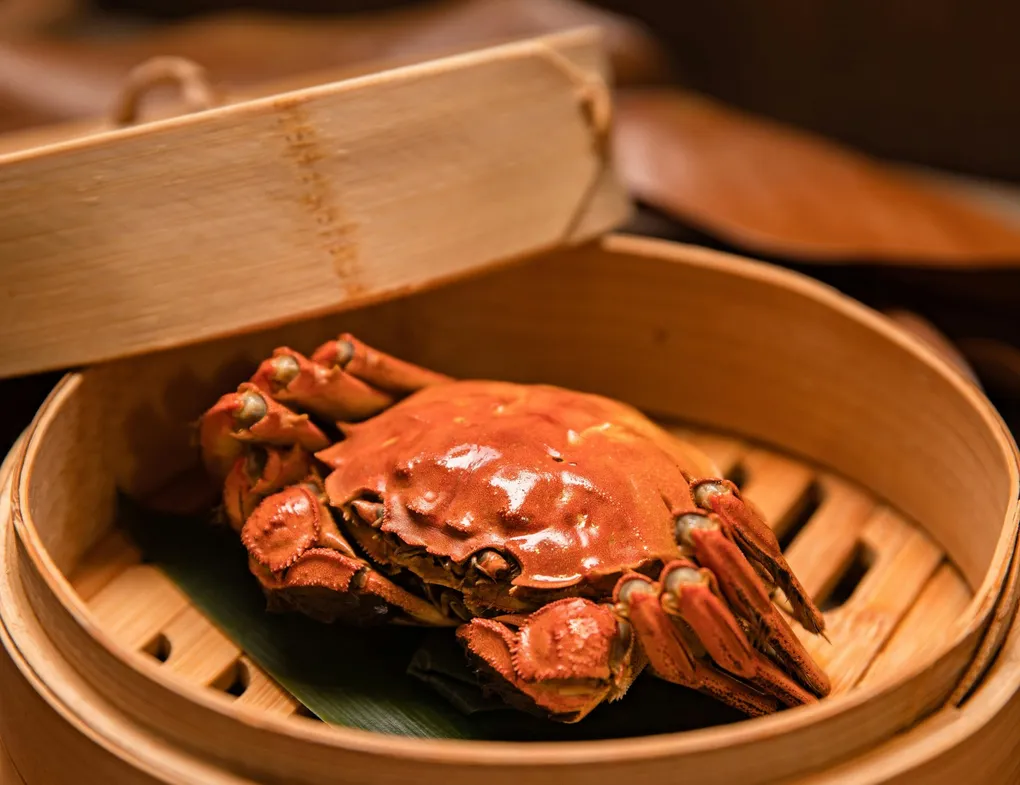
- Hairy crab / dazhaxie (大闸蟹) — the autumn delicacy. The Chinese mitten crab is at its peak roughly September to November (the famed ones from Yangcheng Lake). Steam it simply with ginger tea; eat the females first for their rich roe, then the males for creamy fat. Worth planning a whole trip around.
- Mooncakes (月饼) — dense lotus-seed or red-bean cakes with a salted yolk “moon,” shared at the Mid-Autumn Festival (中秋).
- Osmanthus (桂花) sweets and wine, roasted chestnuts (糖炒栗子) and persimmons as the air turns cool.
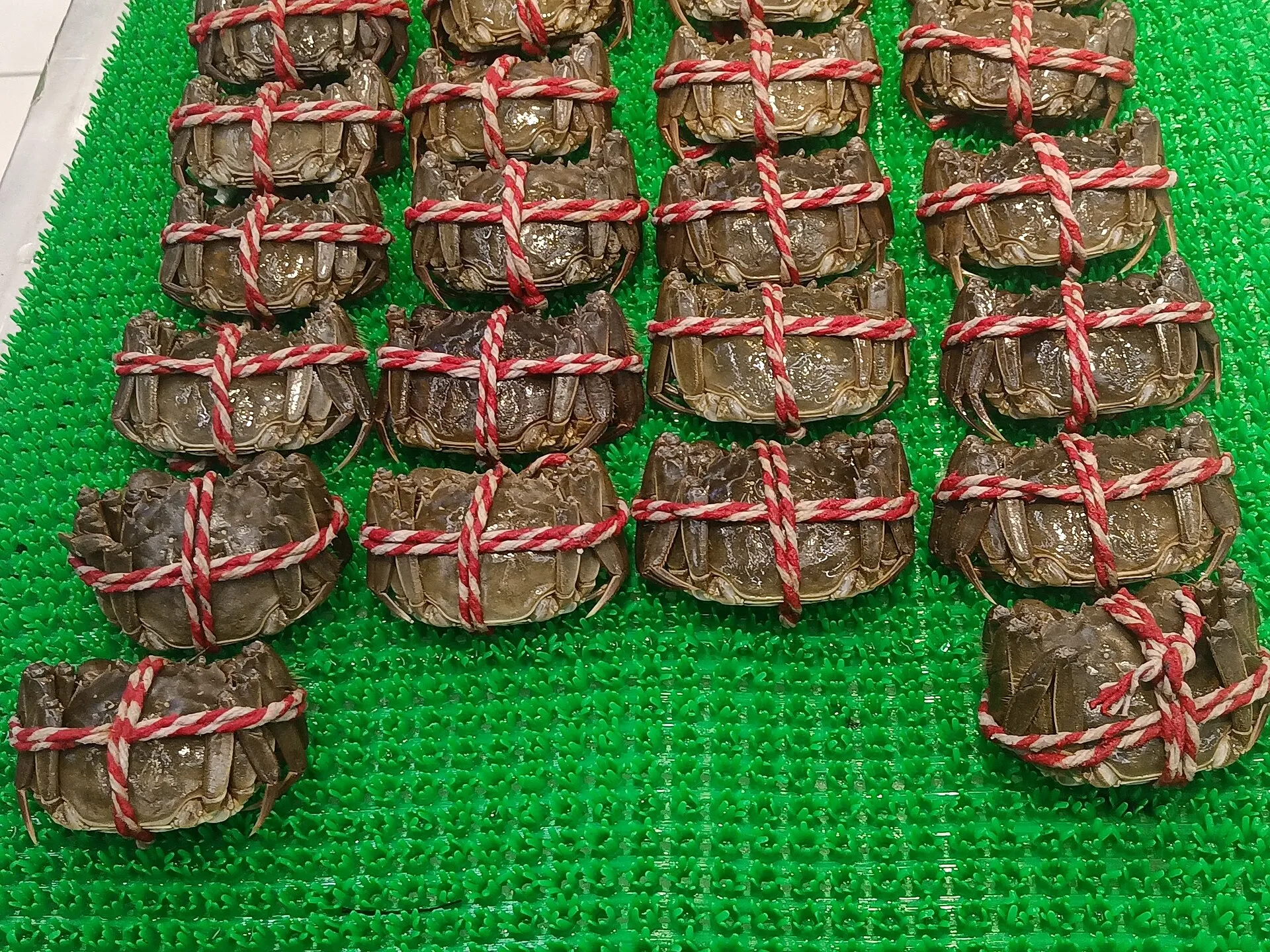 Hairy crab (大闸蟹) — bound with string and sold by the dozen each autumn.
Winter (冬)
- Hotpot & instant-boiled lamb (涮羊肉) — nothing beats a bubbling pot when it’s freezing out.
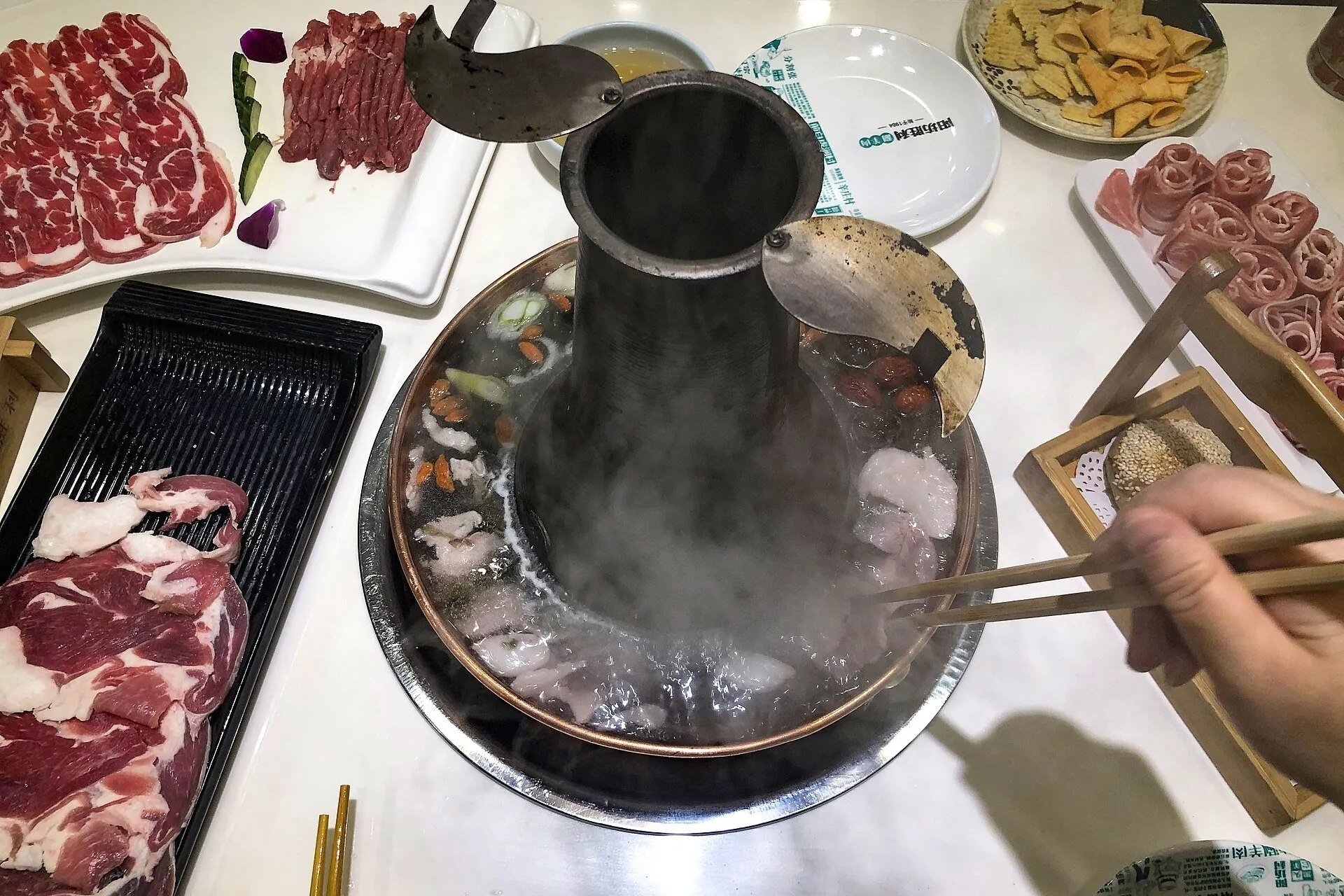 Instant-boiled mutton (涮羊肉) — thin lamb swished in a charcoal copper pot; winter comfort in Beijing.
- Tangyuan (汤圆) — sweet glutinous rice balls in warm broth, for the Winter Solstice and Lantern Festival.
- Street warmers — roasted sweet potato (烤红薯) straight off the cart.
How to eat in season
- Ask what’s 应季 (in season) — restaurants and stalls put their seasonal specials front and centre.
- Hairy crab is the big one to time — it’s only worth it in autumn, so plan a Sep–Nov trip if it’s on your list.
- Festival foods cluster tightly around their festivals (which follow the lunar calendar, so dates shift each year) — check the dates before you go.
- Pair this with my regional food guide and learn to order without Chinese.